Subscribe to Newsletter
 Donate
 Shop
Shop 0
0







By Paula Sills, Reef Check Coordinator for Panamá
Ankay Conservation, based in Bocas del Toro, Panamá—on the Caribbean coast—has always been about turning real, on-the-water work into measurable reef protection. We combine hands-on conservation action with community collaboration and strong field logistics to support reef resilience where it matters most. Becoming an official Reef Check Training Facility is a natural next step for our team: it aligns perfectly with our mission to expand credible reef monitoring and grow the network of people collecting data that can truly support local management and long-term conservation.
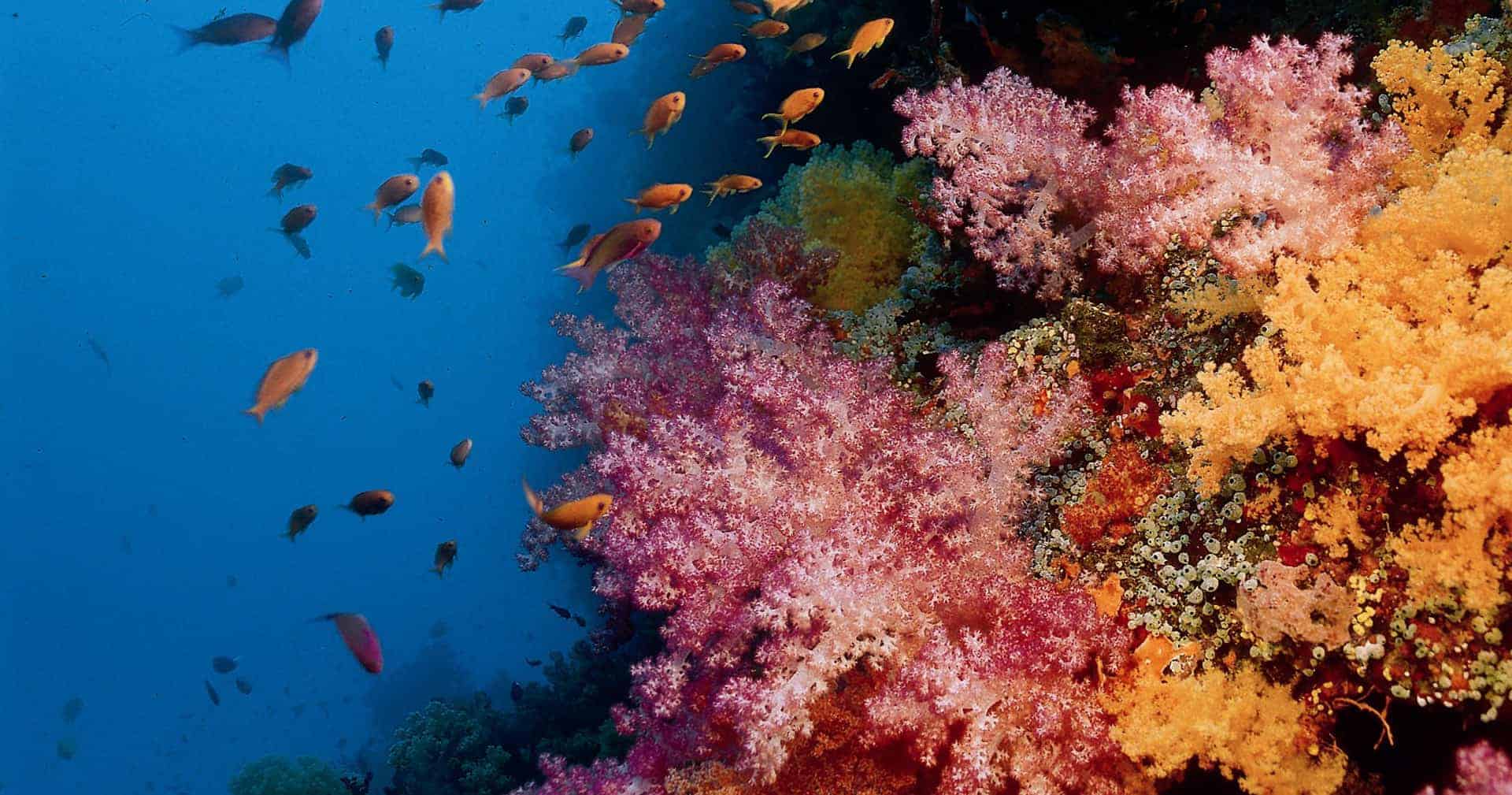
Reef Check fits into our work because it’s practical, standardized, and globally recognized—exactly what’s needed when you’re trying to compare reef health over time and across regions. From coral and substrate categories to indicator fish and invertebrates, the methodology brings structure and consistency, which is essential for tracking change and understanding what’s driving it. As a training center in Bocas del Toro, we’re excited to contribute to Reef Check’s wider impact by helping EcoDivers gain the skills and confidence to survey reefs responsibly, accurately, and safely in Caribbean reef environments.
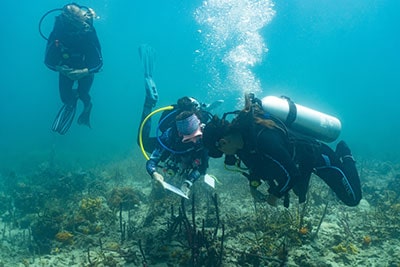
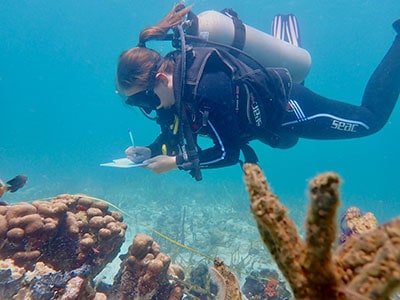
Our EcoDiver training experience has been a reminder that good monitoring is as much about discipline as it is about passion. Learning to slow down, stay consistent, and prioritize data quality—while managing buoyancy, team communication, and environmental awareness—completely changes the way you dive. The training deepens your ability to “read” a reef, not just admire it, and it builds a shared language among divers that makes every survey stronger and more reliable.
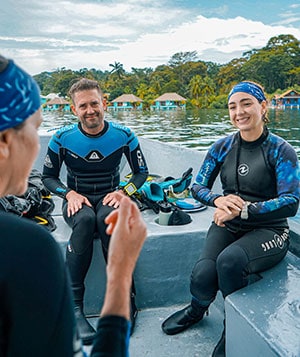
For anyone interested in getting trained with us, we welcome divers who want to level up their conservation impact—whether you’re a local professional, a visiting researcher, or a committed recreational diver ready to contribute. Trainings focus on field-ready skills, survey standards, and real practice in the water, with an emphasis on safety, accuracy, and leaving the reef undisturbed. If you’ve been looking for a way to transform your time underwater into meaningful conservation work, we’d love to connect—come train, learn the method, and become part of a global community protecting reefs through data.
Contact Paula Sills for more information.