Reef Check / News / New York Times: Invasive Algae Leads to Boom, Bust, and Maybe Boom Again
Keep up with Reef Check and the people working to protect our oceans. Get updates on our latest research, volunteer dives, conservation projects, events, and ways to get involved.
Join the Reef Check community and see how science, local action, and people like you are helping reefs and kelp forests around the world.
We may use your ZIP/postal code and country to send you more relevant updates, such as Reef Check events, volunteer opportunities, and activities in your area. We respect your inbox and your privacy—we’ll never spam you or sell, rent, or share your personal information.
We’re on the ’gram! Follow us today for an even deeper dive with a social connection.
Sep 18
The new Global Coral Reef Monitoring Network (GCRMN) report plainly states the importance of this work. Long-term monitoring gives scientists and managers the information needed to understand baselines, map long-term trends, find correlations between reef changes and their causes, and gather recovery data.
In this way, we can stay laser-focused on conservation goals, concentrating efforts in places that have proven to be most effective.
Want to be a part of the solution? Join us for a future Reef Check training or donate to our cause today.
📸: @kogia_org @nessimstevenson
#coralreef #scubadiving #CoralBleachingAwareness #ForCoral #reefrestoration
Sep 16
New report out now: Status and Trends of the West Coast’s Kelp Forests 2025. This report analyzes and summarizes 20 years of data our Reef Check divers have collected on the health of our kelp forests.
This report is a huge milestone for us. By analyzing this data, we understand changes in the ecosystems, which provides essential information for conservation.
Thank you to all of the thousands of Reef Check volunteer divers who made this extraordinary dataset possible.
“Over two decades, you trained as citizen scientists, traveled to survey sites, boarded boats before dawn, carried tanks down beaches and cliffs, returned year after year to the same reefs, and contributed your own time and resources to participate. The value of your contribution cannot be measured simply in hours or dollars. Because of your dedication, we now have a long-term record of kelp forest ecosystems at a scale that would otherwise have been impossible to achieve.”
~Dan Abbott, Reef Check’s Kelp Forest Program Director.
We also want to thank the people who made this possible topside. We can’t do this work without your donations and enthusiasm for supporting science. We’re in this together.
Thank you!
Read the full report at our link in bio.
📸: @shuowei.photo
#kelpforest #scubadiver #oceanconservation #marinebiology
Sep 14
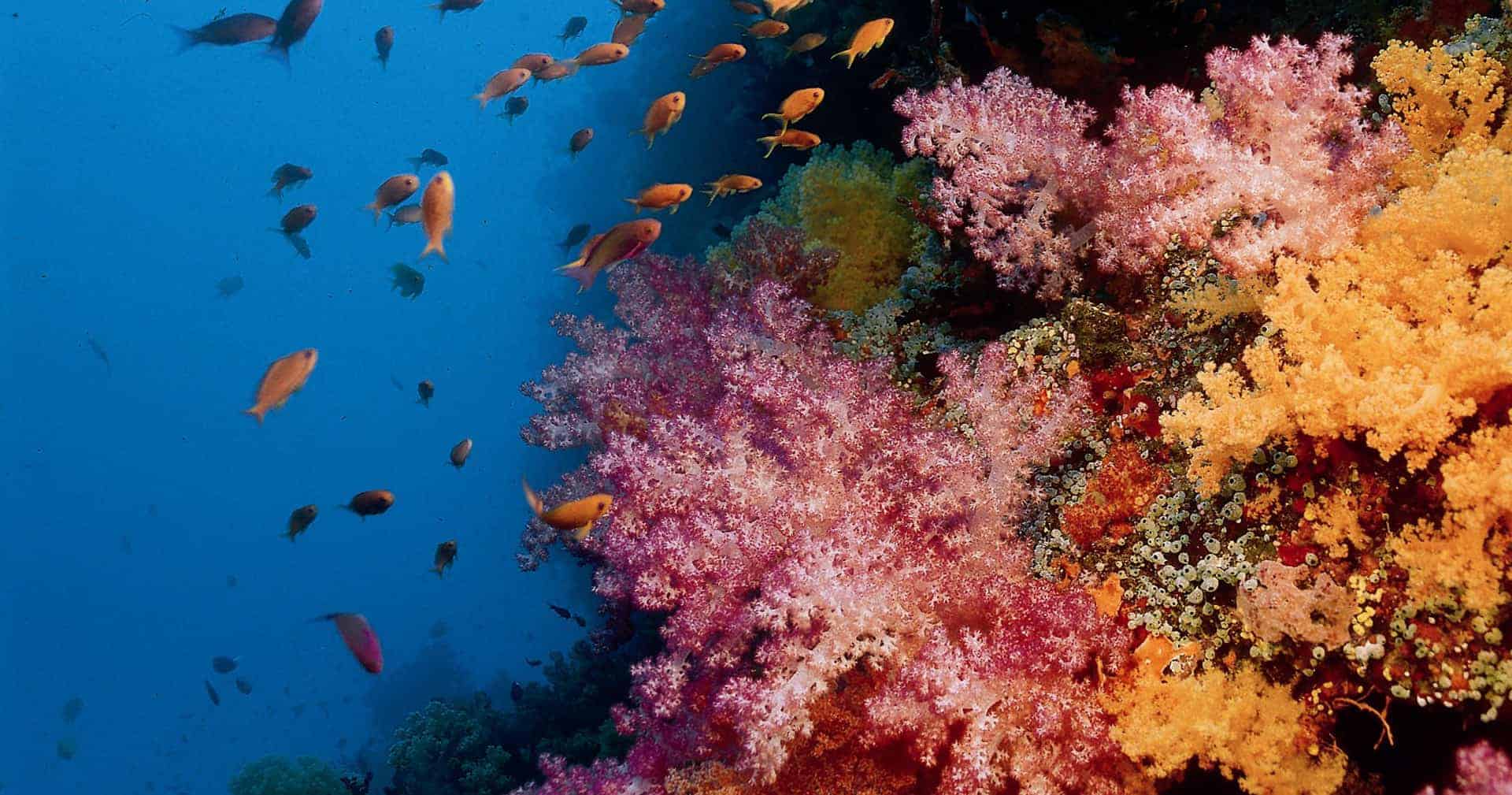
Coral bleaching doesn’t mean the reef is dead. Given the right conditions, corals can recover. Investing in research informs restoration efforts, and this local work compounds into a global impact. That’s why Reef Check empowers divers to get involved with surveying their local reef systems. We must prioritize community involvement to take on this massive issue of ocean health degradation.
This #CoralBleachingAwareness Month, help us spread the word and give reefs a fighting chance.
Life is better in color.
📸: Valentina Cucchiara, CORAL
#ForCoral #scubadiving #oceanconservation
Congrats to the newest group of Reef Check Kelp Forest Monitoring divers! This group completed the NorCal training in Fort Bragg last weekend. Great job everyone, looking forward to diving with you all this season!
Congratulations to our Northern California Tribal Cohort #1 participants for completing their @nauiworldwide Advanced Scuba Diver course! We had gorgeous conditions at Van Damme State Beach
@reefcheckfoundation
Check that vis!
Doesn’t get better than this on the Mendocino Coast 30+ft
#reefcheckcalifornia #bullkelp #mpamonitoring #reefcheckfoundation