Reef Check / The Transect Line – January/February 2018
The Transect Line – January/February 2018
Reef Check Coordinators Join Forces with Student Volunteers to Assess Hurricane Impact on Caribbean Reefs
Long-time Reef Check Caribbean Coordinators Jim Hewlett and Arun “Izzy” Madisetti, along with Reef Check Executive Director Dr. Gregor Hodgson and a group of four student volunteers, recently surveyed the reefs of Nevis and Dominica to determine the effects of Hurricanes Irma and Maria on the Caribbean islands.
Celebrate Reefs! 2018 is the Third International Year of the Reef (IYOR)2018 has been declared the third International Year of the Reef (IYOR). The timing is perfect to increase awareness of the value of coral reefs, threats to their health and to promote conservation, research and management efforts on a global scale.
A Royal Uplifting Speech Kicks Off IYOR in the UKReef Check attended the UK launch of the International Year of the Reef 2018 (IYOR) by His Royal Highness The Prince of Wales. By giving a rousing speech about the coral reef crisis, HRH The Prince of Wales gave a significant lift to everyone’s hopes that the world will realize that it is not too late to conserve these ecosystems.
We’re Hiring! Reef Check Seeking Tropical Program ManagerThe Reef Check Foundation is seeking a mid-career coral reef entrepreneur to run its Tropical Program that is focused on coral reef conservation.
Reef Check California Training Classes Now Open- Register Today!Sign up now for one of our 2018 Reef Check California training classes, offered at eight locations across the state! Already been trained? Be sure to sign up for a recertification class near you to be ready for the survey season.
Coral Reefs in Crisis, Require Comprehensive Remediation StrategiesCoral reefs are in crisis and require large-scale management, according to research studies presented at the recent European Coral Reef Symposium. Reef Check Maldives Coordinator Dr. Jean-Luc Solandt shares the key points of the conference.
Win a Place on a SCUBA Diving Expedition to Conserve Coral ReefsWin a place to join a unique SCUBA diving coral reef conservation expedition to Oman, the Maldives or Malaysia with Biosphere Expeditions, Marine Conservation Society and Reef Check!
To ensure delivery, please add our e-mail address newsletter@reefcheck.org to your address book. Thank you.
Reef Check, 13723 Fiji Way, Ste B2, Marina del Rey, CA 90292 USA www.ReefCheck.org
 Subscribe to Newsletter
 Donate
 Shop
Shop 0
0






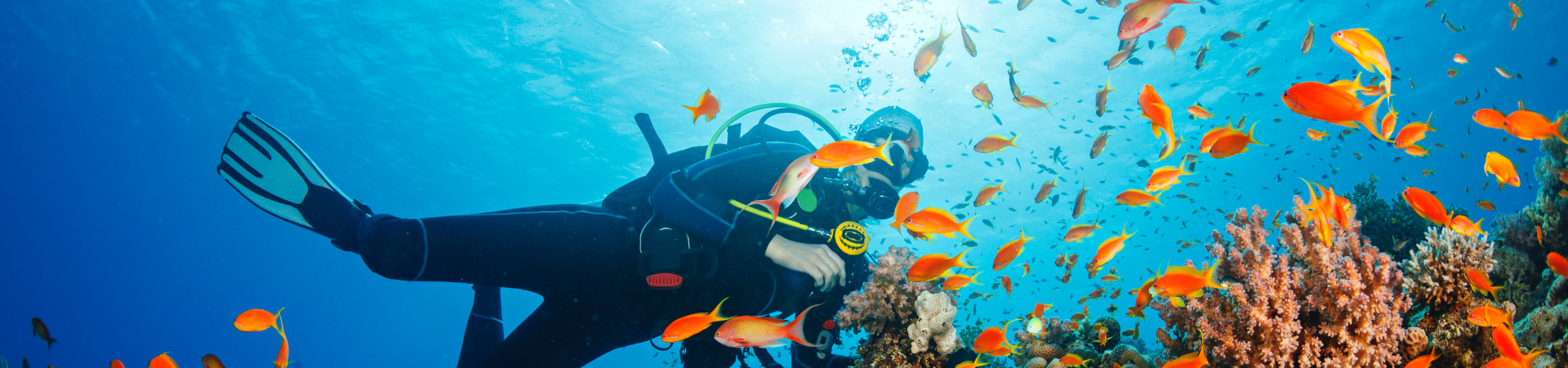


 We’re Hiring! Reef Check Seeking Tropical Program Manager
 Coral Reefs in Crisis, Require Comprehensive Remediation Strategies